Dunes
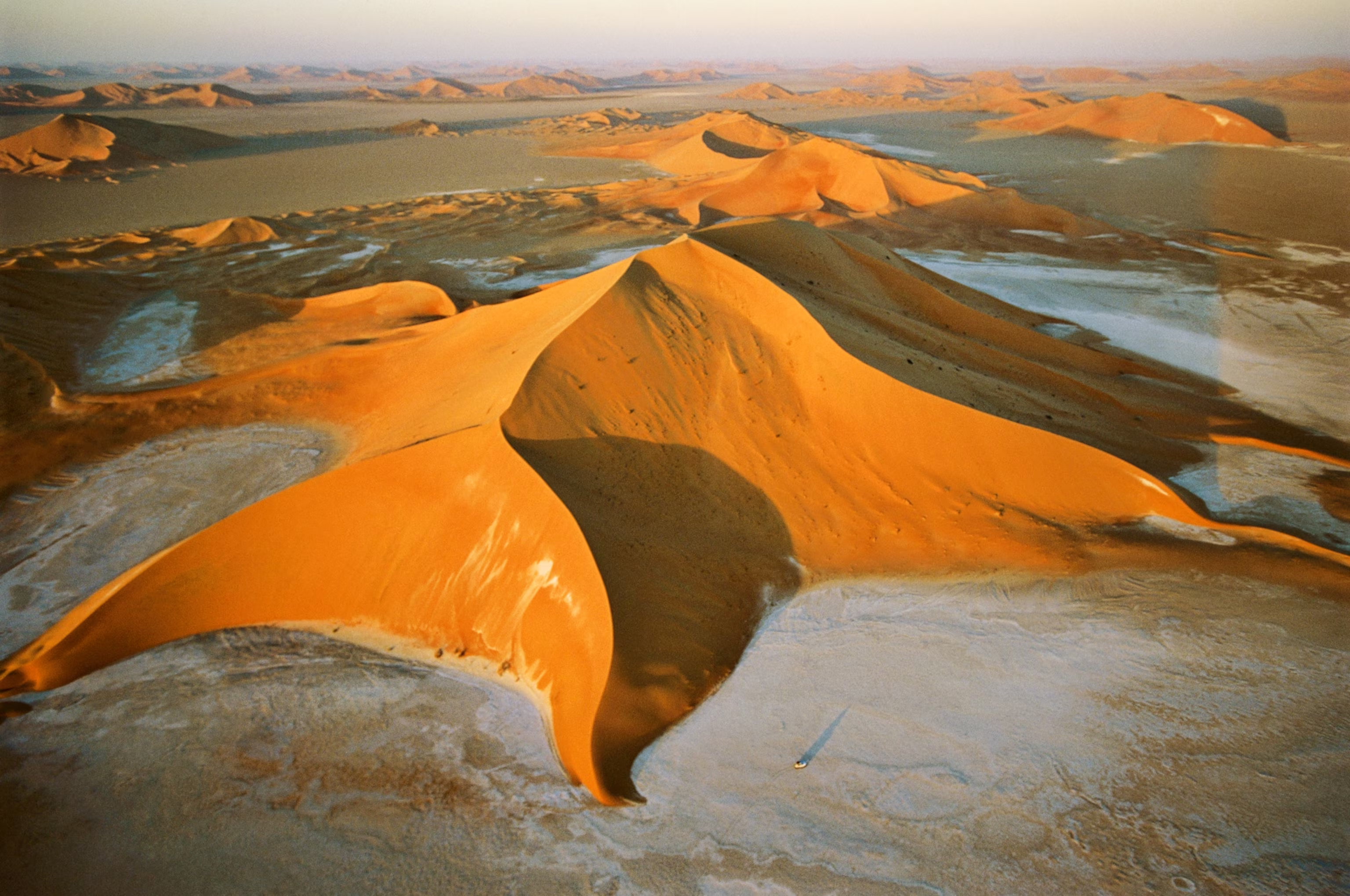
Dunes are windblown piles of unconsolidated sandy or silty sediment. Wind carries sediment until it encounters some kind of obstacle (without the obstacle, piles of sediment are too diffuse to form dunes) which slows wind speeds enough for sediment to fall out of suspension, consolidating around said obstacle in a distinct pile. The pile of sand then becomes itself an obstacle, trapping more windblown sediment and over time forming a dune.
Vegetation can then grow on dunes, the root system locking sediment in place and making the dunes more resistant to the forces that formed them eroding them away.
Dunes come in many forms depending on wind direction and vegetation. A barchan dune is crescent shaped, and forms in areas where wind tends to only come from one direction and vegetation is sparse. Parabolic dunes are U-shaped, forming like this because of vegetation locking the horn of the dune in place while its sides are free to migrate. A star shaped dune like the one pictured above is the result of complex, multi-direction wind patterns that erode and deposit on all sides of the structure.
There are more dune varieties, but you get the picture.