Geomorphological Landforms and Where to Find Them
Avery Hargrove
Welcome to my atlas of landforms!
To learn more about a landform, simply click on its name.
Map of All Landform Locations; All Places I Have Been or Want to Go:
Legend
Blue: Karst
Maroon: Phys/Chem Weathering
Dark Blue: Hillslopes
Green: Fluvial
Red: Wind
Purple: Glaciers
Grey: Shoreline
Yellow: Volcanoes
Chartreuse: Tectonics
Brown: Climate/Biogeo
Karst

Karst is a type of landscape that has formed primarily through the dissolution of soluble bedrock (think limestone, marble). There are several landforms distinct to Karstic landscapes:
Physical/Chemical Weathering Landscapes
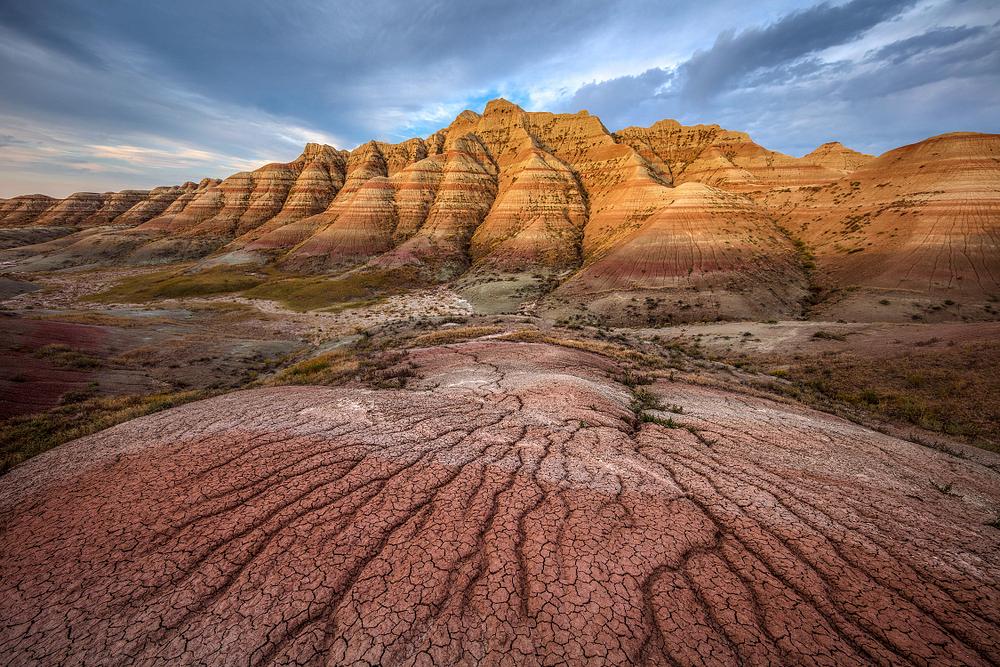
Landscapes borne of similar processes to karst, but more general in scope:
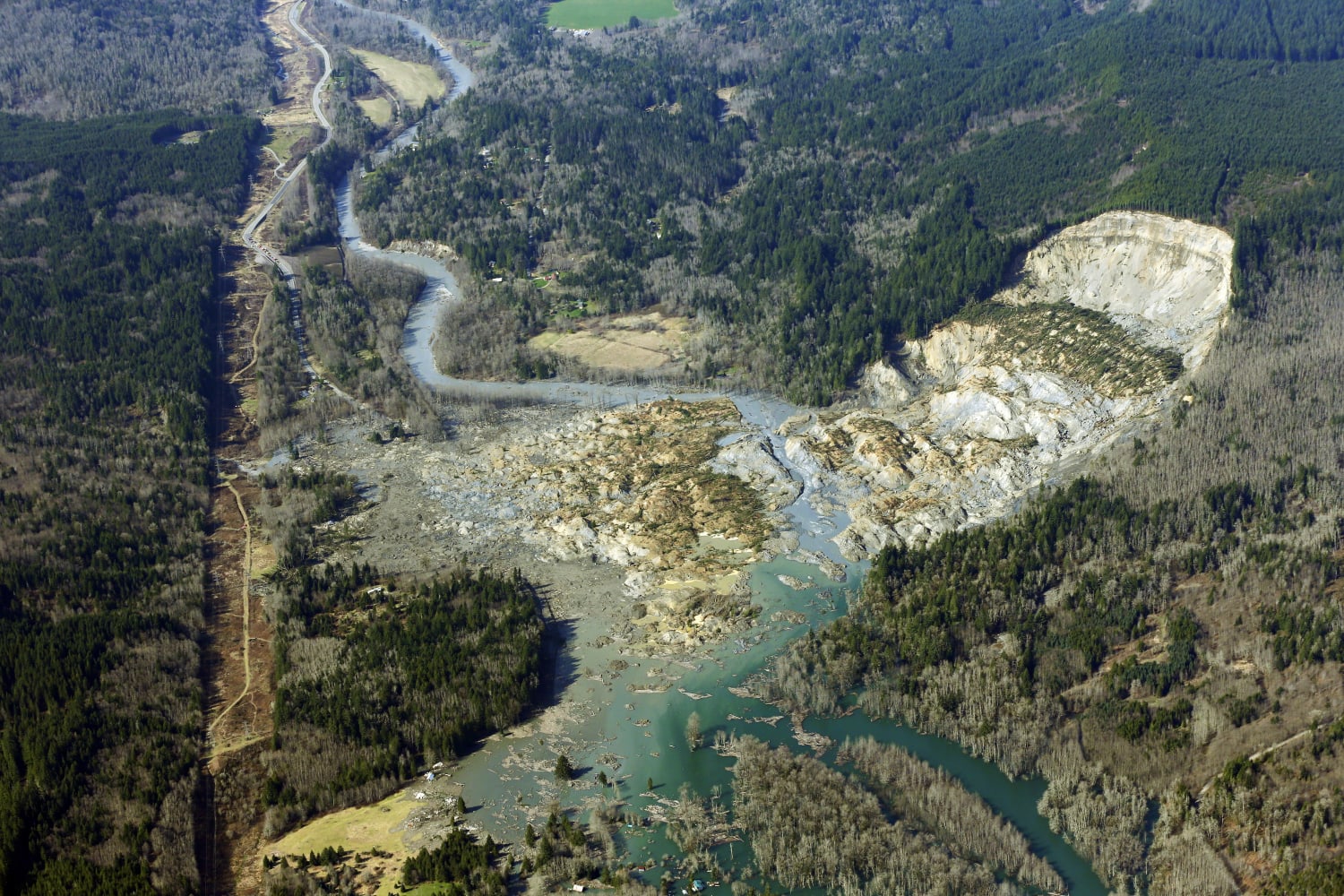
Fluvial Landforms

Rivers, the result of rivers:
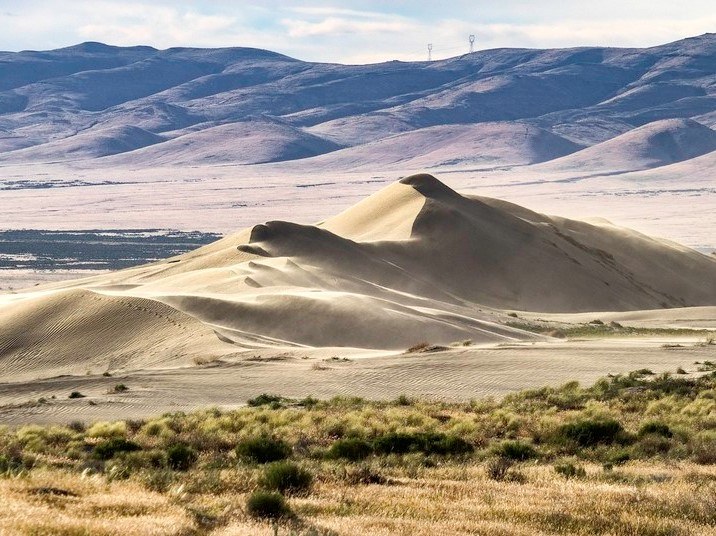
Wind Landforms
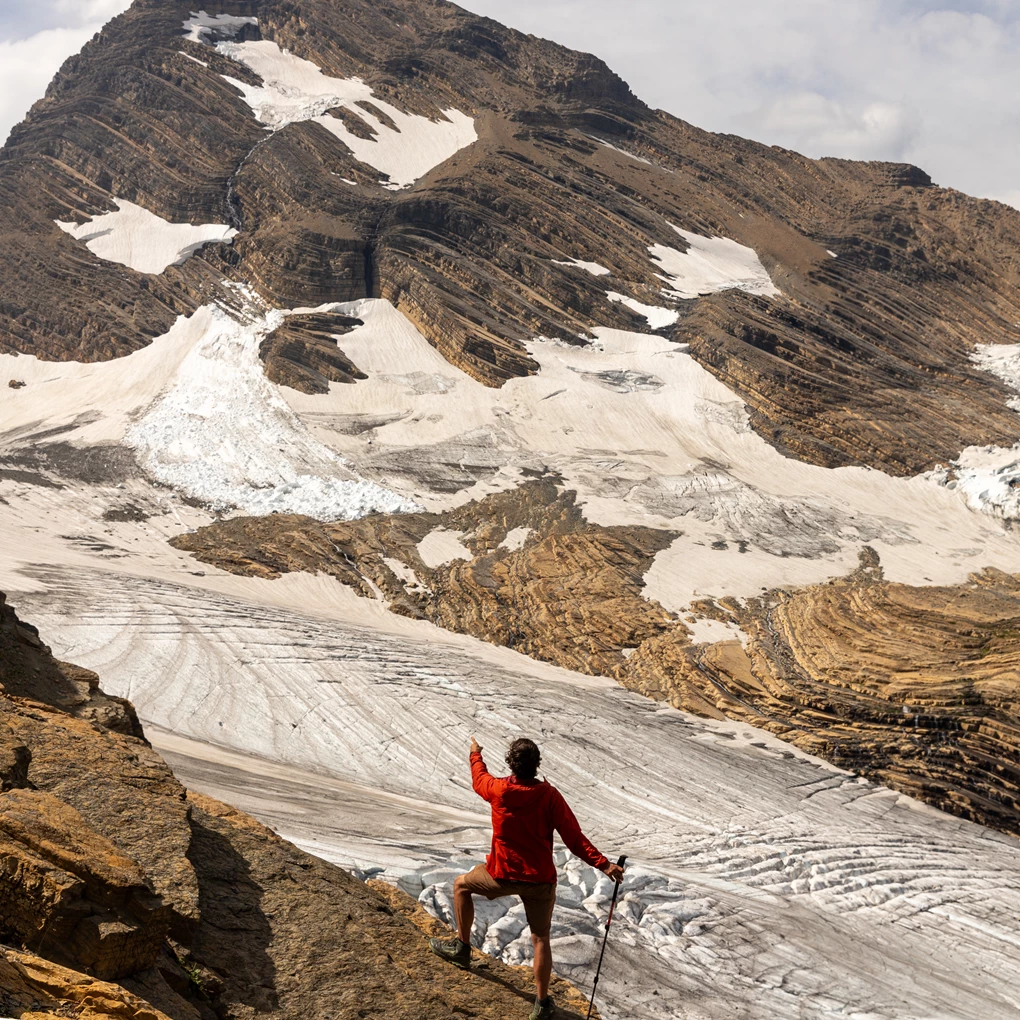
Glacial Landforms
Shoreline

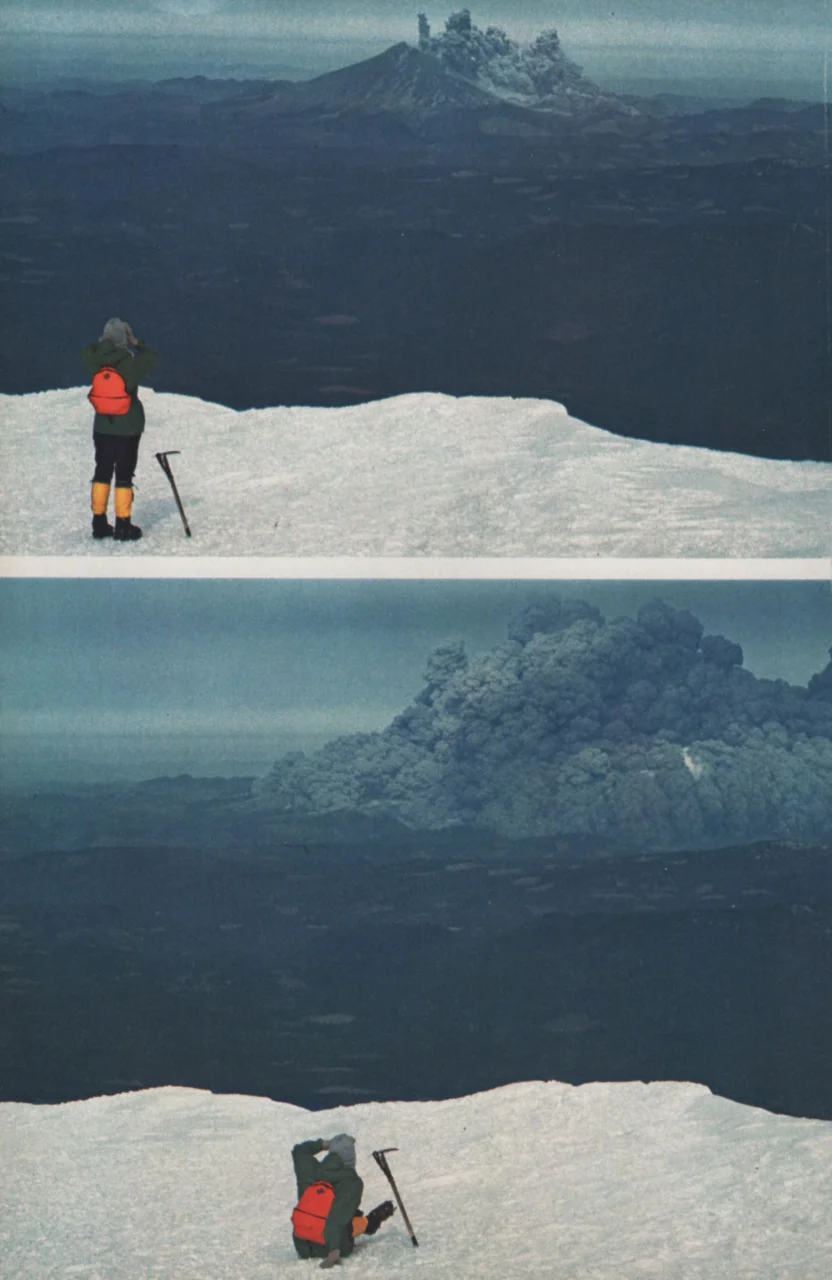
Volcanoes
Tectonics

Biogeomorphic/Climate
